Translating technical concepts into
clear, interactive visual systems
I design visual systems that make complex technologies understandable. My work bridges the gap between technical abstraction and human intuition.
From real-time data visualization to interactive explainers, I build experiences that help users grasp difficult concepts faster.
This includes proof-of-concept demos for emerging tech, interactive educational tools, and visual communication systems for specialist and general audiences.
Hands-on exploration of generative AI as a design tool - understanding how to prompt, iterate, and integrate AI outputs into visual communication workflows. These experiments inform how AI capabilities can be explained to technical and non-technical audiences.
Why this matters: These explorations demonstrate practical understanding of AI tools for visual content - critical knowledge for communicating AI/ML capabilities to specialist and general audiences.
Microsoft 3D Prototype: Built interactive 3D collectible cards exploring NFTs and digital rewards for casual gaming. View interactive demo on Solitaire page →
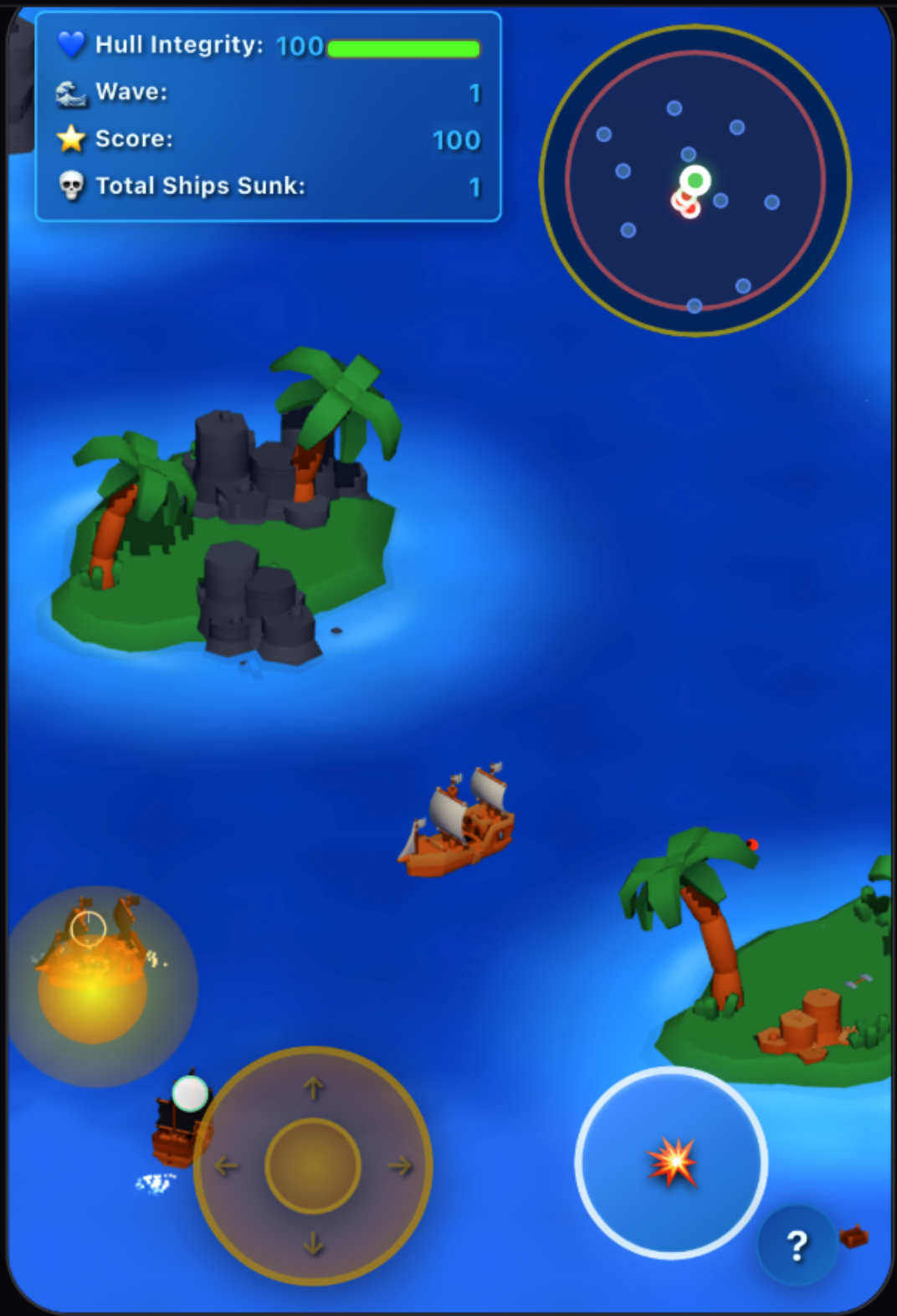
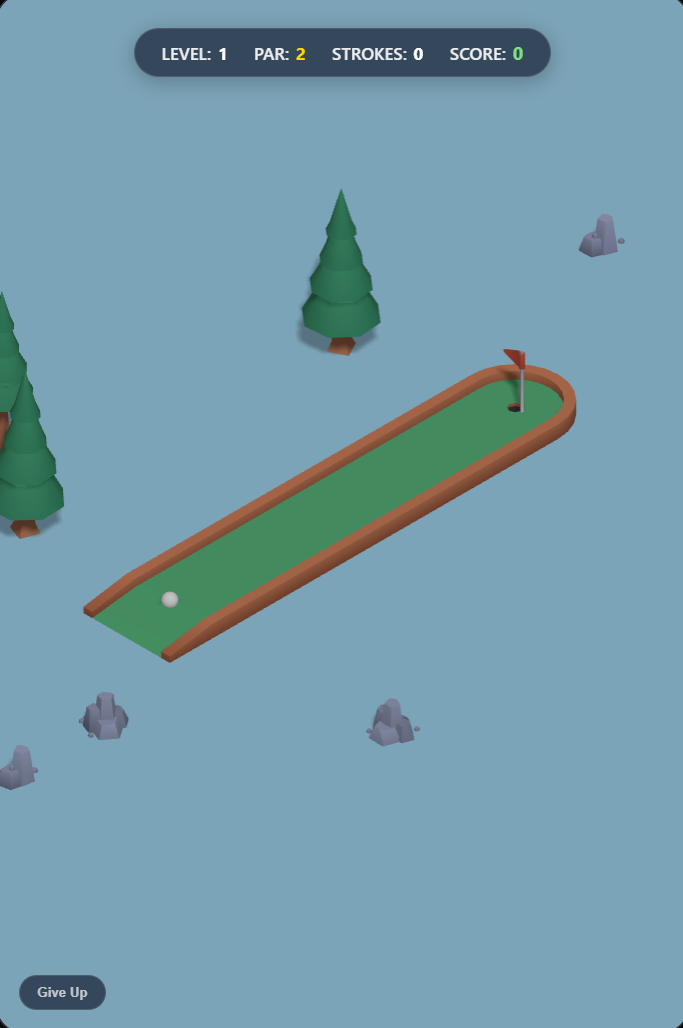
Real-time interactive systems that communicate complex rules through motion, spatial hierarchy, and visual feedback. Each project demonstrates how to make intricate logic intuitive through design.
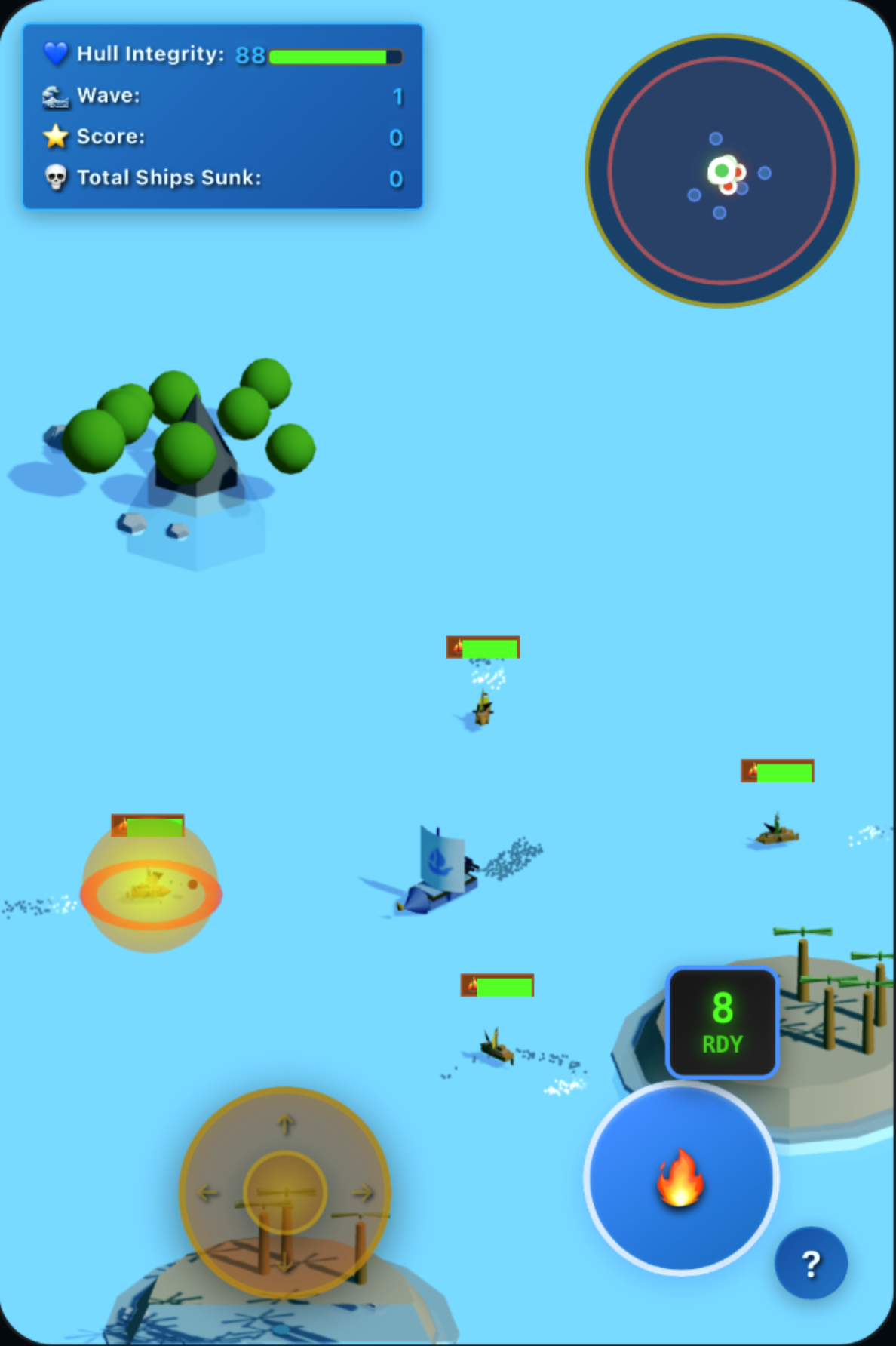
Shipped systems: 15+ interactive systems with 100K+ users. Each one: a lesson in making complex rules understandable through visual design. View full case study →
The interactive blob on the homepage is a working proof-of-concept demonstrating real-time 3D prototyping capabilities.
Why this matters: This demonstrates the ability to rapidly prototype interactive experiences that make technical concepts tangible - the same skill needed to communicate quantum computing, AI, or any frontier technology to specialist and general audiences.
Outcome: Users can understand complex, abstract systems through direct interaction rather than reading documentation or static diagrams.
Visual systems aren't decoration - they're translation tools.
Complex technical concepts, research findings, and abstract ideas become understandable when rendered as interactive, explorable experiences.
This work reflects how I approach design: not as surface polish, but as a tool for thinking, learning, and communication.