App & DAW UX Design for a
hybrid music product
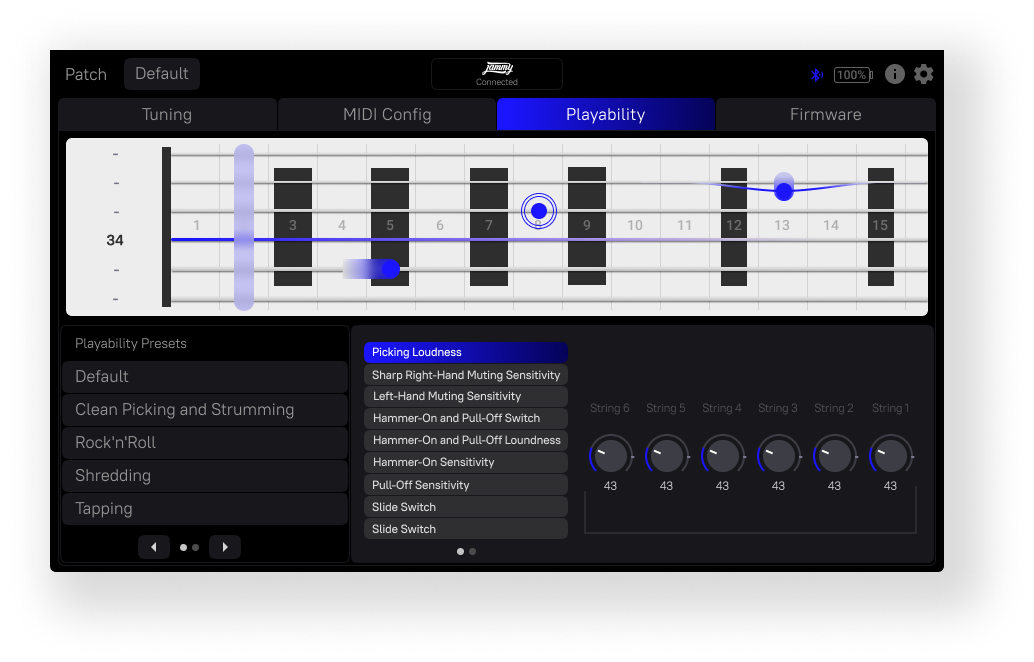
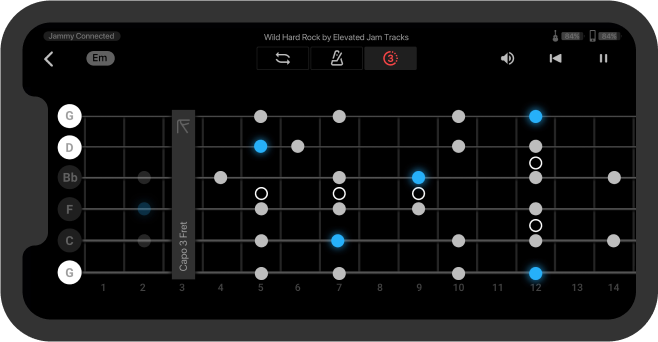
Jammy is a hybrid music product combining a mobile app, desktop DAW plug-in, and hardware-adjacent workflows. Powerful functionality, but complex onboarding created friction.
I was brought in to evaluate the experience end-to-end and design solutions that simplified onboarding, improved usability, and aligned interaction patterns across platforms.
The outcome was a clear UX direction that reduced learning friction and established a stronger foundation for the product ecosystem.
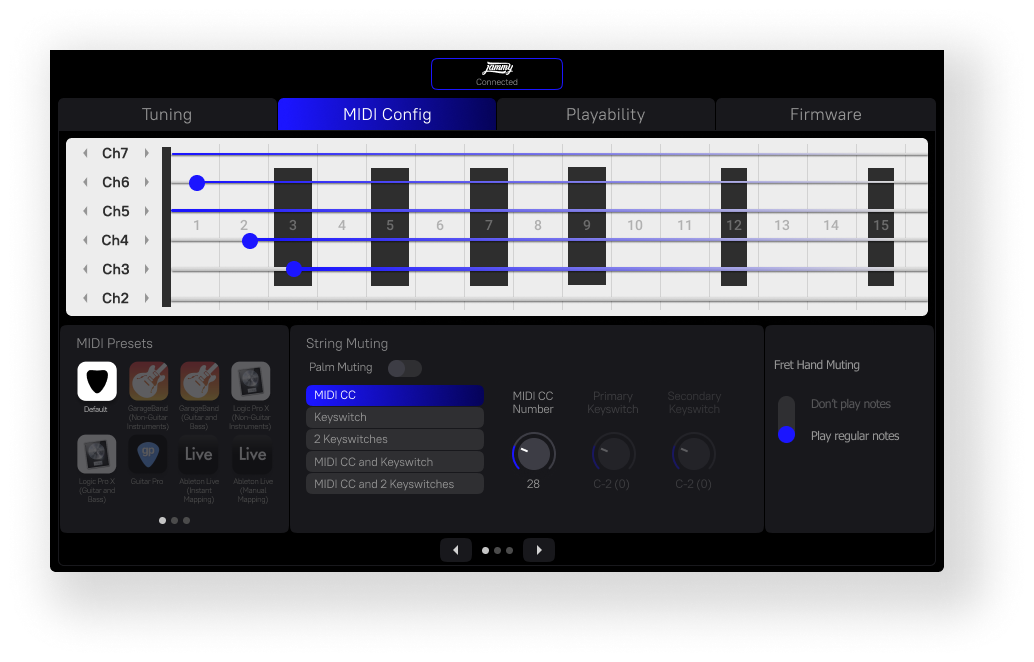
Jammy users—especially new ones—struggled to understand how to get started, navigate core features, and transition between mobile and desktop experiences.
To ground design decisions in real user needs, I combined heuristic analysis, competitive UX comparison, existing quantitative data, and user feedback.
Rather than documenting every UX heuristic, the goal was to identify patterns that directly impacted learning, usability, and retention.
Key Insight: Users wanted to play quickly, not learn everything upfront. Visual hierarchy and recognition mattered more than feature depth.
Instead of a long, linear tutorial, I designed a progressive onboarding flow that introduced functionality gradually and contextually.
I restructured navigation patterns to surface core actions first, de-emphasize secondary complexity, and improve discoverability without adding friction.
This created clearer mental models across both mobile and desktop environments.
Rather than forcing parity, I aligned interaction principles: consistent visual hierarchy, familiar control placement, and predictable feedback.
This reduced learning friction when moving between devices and contexts.
Controls and parameters were redesigned to prioritize recognition over recall, clear labeling and affordances, and scalable layouts for different screen sizes.
While this was a short engagement, the work informed ongoing design decisions and established a stronger UX foundation for the Jammy product ecosystem.
This project reinforced the importance of early alignment on goals and constraints, designing for learning curves rather than feature completeness, and avoiding premature solutions before understanding real user behavior.
It was a strong example of translating research insights into pragmatic, shippable UX decisions.
Designing music software requires balancing creative freedom with usability. This project demonstrated how thoughtful UX decisions can lower barriers to entry without limiting expressive depth.